


Tất cả sản phẩm
-
Bảo vệ phóng xạ hạt nhân
-
Máy dò bức xạ hạt nhân
-
Lá đồng che chắn
-
Cửa được bảo vệ RF
-
Windows được che chắn RF
-
Kính chì bảo vệ bức xạ
-
Bộ công cụ không từ tính
-
Buồng được che chắn RF
-
Lỗ thông hơi ống dẫn sóng tổ ong
-
Băng dính đồng dẫn điện
-
Lưới dây đồng
-
Kính chì tia X
-
Miếng đệm che chắn EMI
-
Vải dẫn điện
-
Cửa bảo vệ bức xạ
-
Bảo vệ bức xạ X Ray
-
Chụp cộng hưởng từ lồng Faraday
-
len dây đồng
-
Đèn LED chiếu sáng MRI
-
Xe lăn không từ tính
-
cáng không từ tính
-
 AnasLỗ thông hơi dạng tổ ong bằng đồng trông rất đẹp
 -
 SatheeshCửa MRI / RF được chiếu sáng với tay cầm, Cảm ơn bạn của tôi.
Máy đo liều một kênh dành riêng cho việc dùng thuốc tiêm tế bào nóng
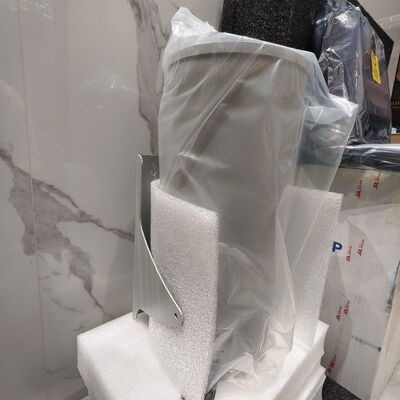
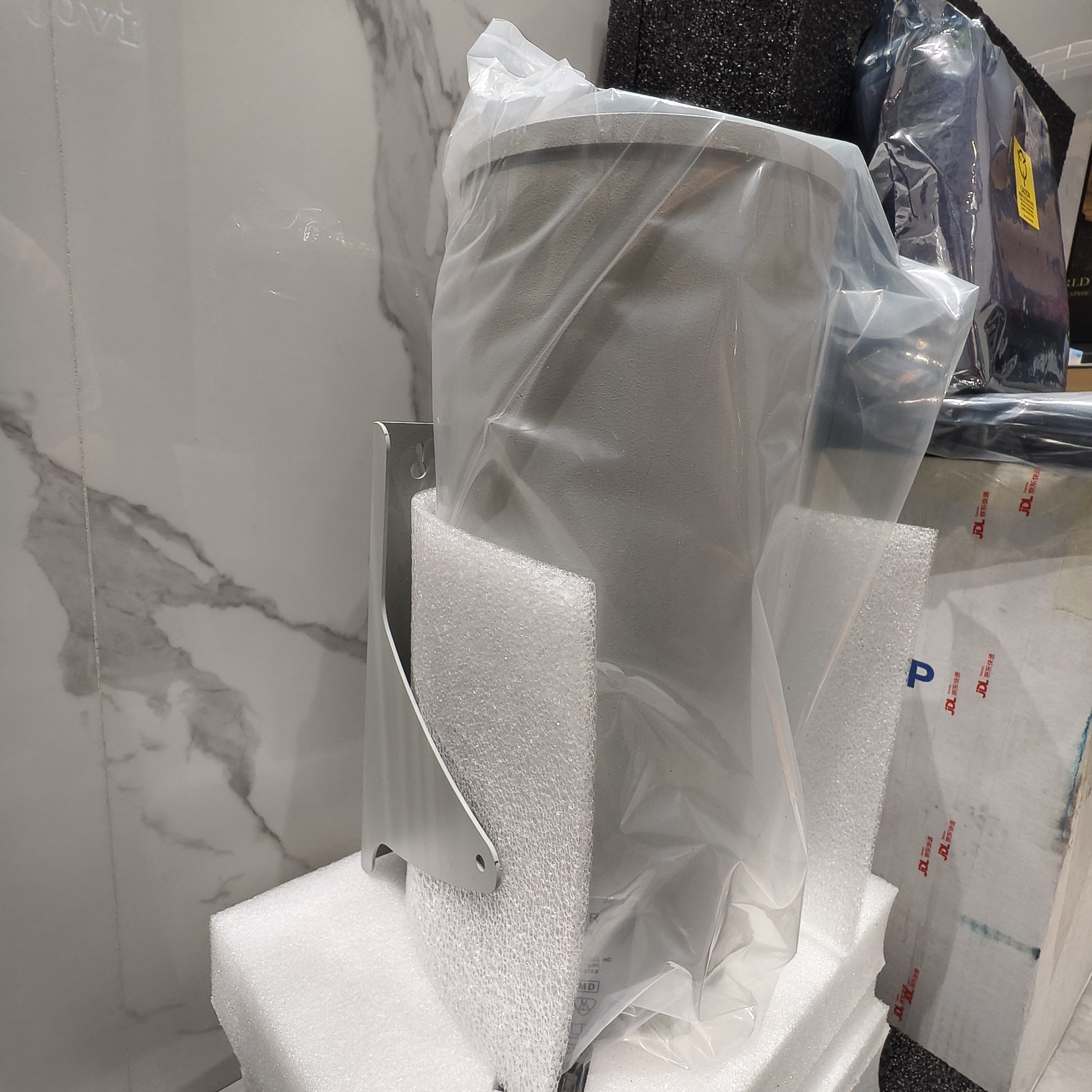
Thông tin chi tiết sản phẩm
| Phạm vi đo | 0,01 µSv/h Đến 10 Sv/h | Phạm vi năng lượng hình ảnh | 50 keV – 1500 keV |
|---|---|---|---|
| Loại phát hiện | Alpha, Beta, Gamma, tia X | Khu vực cửa sổ phát hiện | 75 cm2 |
| Phạm vi tỷ lệ liều | 10⁻⁶Gy/h-10Gy/h | Nhiệt độ bảo quản | -20°C - 50°C |
Mô tả sản phẩm
Máy đo liều một kênh dành riêng cho việc dùng thuốc tiêm tế bào nóng
Bảng giới thiệu sản phẩm
Máy hiệu chuẩn liều một kênh là một dụng cụ chuyên dụng được tối ưu hóa cho một nhiệm vụ duy nhất: đo hoạt động phóng xạ trong ống tiêm sẵn.Không giống như các bộ hiệu chuẩn mục đích chung phải chứa lọThiết kế một kênh đơn giản hóa hoạt động, giảm chi phí, giảm chất thải, giảm chất thải và giảm chất thải.và đạt được độ chính xác đo lường cao hơn cho hình học ống tiêmPhòng ion hóa được thiết kế để chấp nhận ống tiêm tiêu chuẩn 1 mL, 3 mL, 5 mL và 10 mL.với độ sâu đặt đầu ống tiêm (nơi có nhiều dung dịch phóng xạ nhất) ở điểm đo tối ưuThiết bị không bao gồm các tính năng không cần thiết, làm cho nó lý tưởng cho các tế bào nóng nơi đo ống tiêm là hoạt động chính.
Phạm vi ứng dụng
Máy hiệu chuẩn liều một kênh được thiết kế cho các phòng y tế hạt nhân chuẩn bị hầu hết các liều bệnh nhân của họ trong ống tiêm, trường hợp của hầu hết các trung tâm PET / CT,hầu hết các bộ phận SPECT/CT, và nhiều chương trình điều trị. Các ứng dụng chính bao gồm đo liều F-18 FDG cho PET / CT, định lượng các hợp chất có nhãn Tc-99m (MDP, sestamibi, MAG3, vv) cho các nghiên cứu SPECT,xác minh liều Ga-68 DOTATATE cho hình ảnh khối u nội tiết thần kinh, và đo liều Lu-177 cho PRRT khi dùng bằng ống tiêm.xác minh rằng các hệ thống phân phối tự động cung cấp hoạt động chính xác, và đo hoạt động dư trong ống tiêm rỗng sau khi dùng cho bệnh nhân.
Hiệu suất và lợi ích
Bộ hiệu chuẩn liều đơn kênh đạt được độ chính xác riêng biệt của ống tiêm± 3%- tốt hơn ± 5% điển hình của các máy hiệu chuẩn sử dụng chung để đo ống tiêm.hình học buồng ion hóa được tối ưu hóa cho hình dạng ống tiêm, với độ nhạy tập trung ở đầu nơi hầu hết các dung dịch phóng xạ tích tụ.dụng cụ sử dụng các yếu tố hiệu chuẩn cụ thể của ống tiêm có nguồn gốc từ các phép đo thực tế của ống tiêm tiêu chuẩn chứa mỗi đồng vịThứ ba, vị trí mẫu có thể lặp lại: một nút kết nối cơ học đảm bảo rằng mỗi ống tiêm được chèn ở cùng độ sâu,loại bỏ một nguồn biến đổi chungThời gian phản ứng chưa đầy.3 giây.cho các liều bệnh nhân điển hình (520 mCi), và chức năng tự động bao gồm các hoạt động từ0.1 mCi đến 2 mCiMàn hình hiển thị hoạt động trong mCi hoặc MBq bằng các chữ số lớn, dễ đọc, với cảnh báo âm thanh khi đo hoàn thành.Thiết bị bao gồm một thư viện tích hợp các yếu tố hiệu chuẩn ống tiêm cho tất cả các đồng vị y tế phổ biến: F-18, Ga-68, Tc-99m, I-123, I-131, Lu-177 và Y-90. Đối với mỗi đồng vị, thư viện bao gồm các yếu tố cho nhiều nhãn hiệu và kích thước ống tiêm (1 mL, 3 mL, 5 mL, 10 mL),và người dùng có thể thêm các yếu tố tùy chỉnh cho các ứng dụng chuyên biệt. Hệ thống ghi lại dữ liệu lưu trữ đến500 phép đo ống tiêmMột máy in tùy chọn sản xuất nhãn cho biểu đồ bệnh nhân.Thiết kế một kênh cung cấp một số lợi thế thực tếThiết bị này nhỏ hơn so với bộ hiệu chuẩn sử dụng chung, đòi hỏi ít không gian bên ngoài tế bào nóng. Nó đơn giản hơn để vận hành, với ít điều khiển và ít đào tạo hơn.Nó thường rẻ hơn, làm cho nó hấp dẫn cho các bộ phận có hạn chế ngân sách.không có nguy cơ sử dụng các thiết lập hình học sai - một nguồn lỗi phổ biến với các thiết bị sử dụng chungĐối với các trung tâm PET khối lượng lớn đo hàng trăm ống tiêm mỗi tuần, Máy đo liều một kênh cung cấp sự kết hợp tối ưu về độ chính xác, đơn giản và giá trị.Bằng cách loại bỏ các tính năng không cần thiết cho phép đo ống tiêm, công cụ tập trung vào việc làm một điều đặc biệt tốt. Nuclear medicine departments that pair this syringe-dedicated calibrator with a separate vial-dedicated calibrator achieve better overall accuracy than using a single general-purpose instrument for both geometries.
Sản phẩm khuyến cáo
