


Tất cả sản phẩm
-
Bảo vệ phóng xạ hạt nhân
-
Máy dò bức xạ hạt nhân
-
Lá đồng che chắn
-
Cửa được bảo vệ RF
-
Windows được che chắn RF
-
Kính chì bảo vệ bức xạ
-
Bộ công cụ không từ tính
-
Buồng được che chắn RF
-
Lỗ thông hơi ống dẫn sóng tổ ong
-
Băng dính đồng dẫn điện
-
Lưới dây đồng
-
Kính chì tia X
-
Miếng đệm che chắn EMI
-
Vải dẫn điện
-
Cửa bảo vệ bức xạ
-
Bảo vệ bức xạ X Ray
-
Chụp cộng hưởng từ lồng Faraday
-
len dây đồng
-
Đèn LED chiếu sáng MRI
-
Xe lăn không từ tính
-
cáng không từ tính
-
 AnasLỗ thông hơi dạng tổ ong bằng đồng trông rất đẹp
 -
 SatheeshCửa MRI / RF được chiếu sáng với tay cầm, Cảm ơn bạn của tôi.
Bộ hiệu chuẩn liều tế bào nóng để kiểm soát chất lượng hoạt động phóng xạ
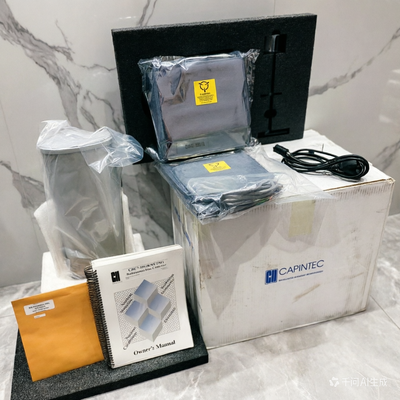
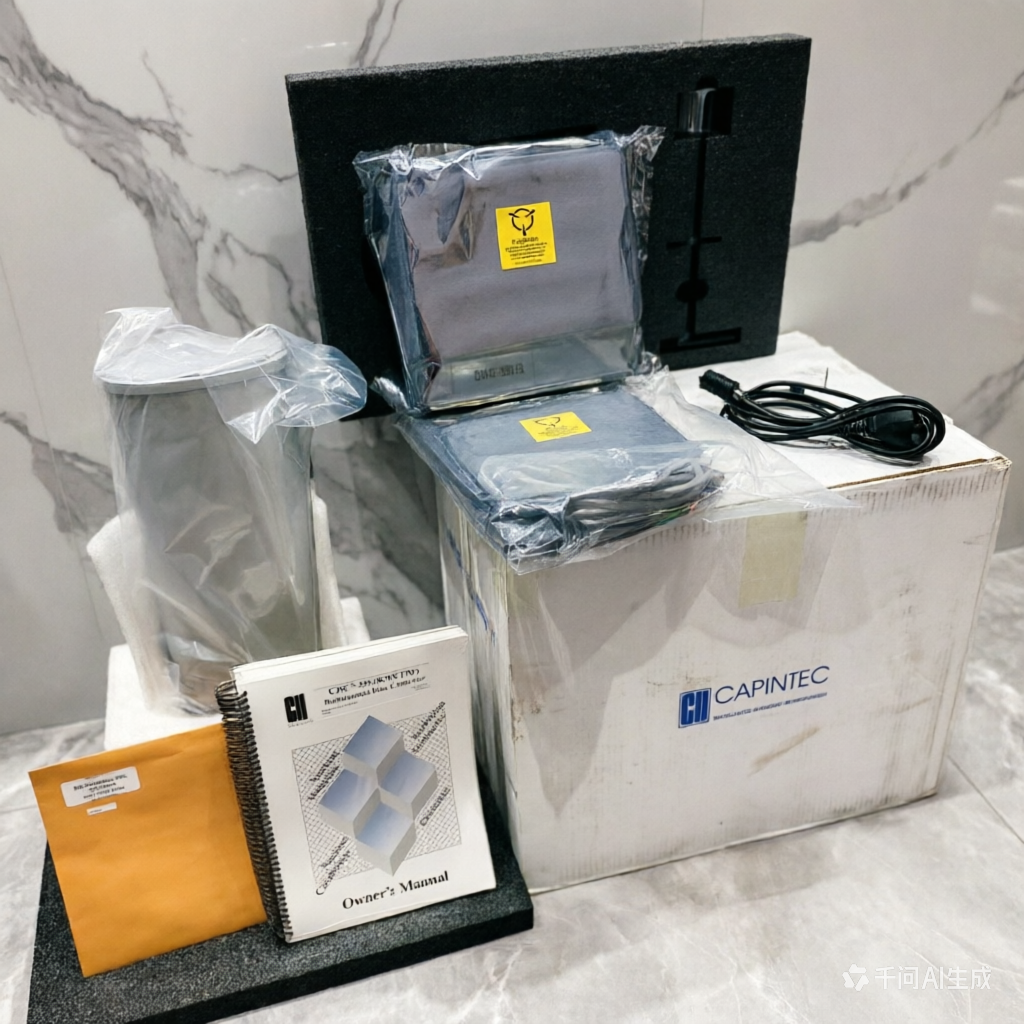
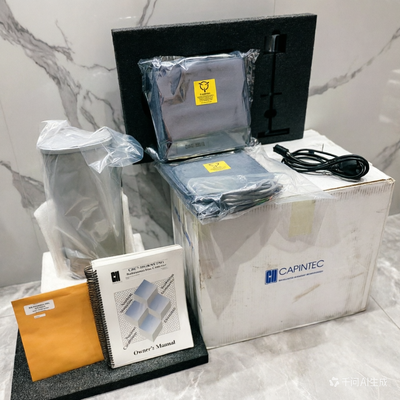
Thông tin chi tiết sản phẩm
| Nhiệt độ bảo quản | -40°C đến 60°C | Phạm vi liều tích lũy | 0,1 μSv ~ 10 Sv |
|---|---|---|---|
| Lưu trữ dữ liệu | Lên tới 1000 bài đọc | Nhiệt độ hoạt động | -20°C đến 50°C |
| Cân nặng | Khoảng 9,8kg | Kích cỡ | 350*250*245(mm) |
Mô tả sản phẩm
Bộ hiệu chuẩn liều tế bào nóng để kiểm soát chất lượng hoạt động phóng xạ
Bảng giới thiệu sản phẩm
Bộ hiệu chuẩn liều tế bào nóng để kiểm soát chất lượng được thiết kế đặc biệt để hỗ trợ chương trình đảm bảo chất lượng toàn diện được yêu cầu bởi các quy định y học hạt nhân và cơ quan công nhận.Mỗi bộ hiệu chuẩn liều phải được kiểm tra thường xuyên hàng ngày., kiểm tra tính tuyến tính hàng quý và xác minh hiệu chuẩn hàng năm.Thông thường, các thử nghiệm này được thực hiện bằng cách sử dụng các nguồn bên ngoài phải được xử lý bên ngoài tế bào nóng,Tăng nguy cơ tiếp xúc và nhiễm trùng của nhân viênCông cụ này tích hợp các giao thức kiểm soát chất lượng vào phần mềm của nó, hướng dẫn người dùng thông qua mỗi thử nghiệm cần thiết, tính toán kết quả và lưu trữ hồ sơ để kiểm tra.Máy phát hiện vẫn ở bên trong tế bào nóng cho tất cả các thủ tục QC, loại bỏ sự cần thiết phải di chuyển các nguồn.
Phạm vi ứng dụng
Máy hiệu chỉnh liều này được thiết kế cho các phòng y học hạt nhân phải tuân thủ các yêu cầu về quy định cho việc kiểm tra hiệu suất của máy hiệu chỉnh liều.Các ứng dụng kiểm soát chất lượng cụ thể bao gồm kiểm tra tính ổn định hàng ngày bằng cách sử dụng nguồn tham chiếu có tuổi thọ dài (thường là Cs-137 hoặc Co-57), kiểm tra tính tuyến tính hàng quý bằng cách sử dụng phương pháp phân rã hoặc phương pháp mang, nghiên cứu biến thể hình học so sánh các loại ống tiêm và lọ khác nhau, theo dõi bức xạ nền,và xác minh hiệu chuẩn hàng năm có thể truy xuất đến các tiêu chuẩn quốc giaCông cụ cũng hỗ trợ thử nghiệm chấp nhận cho các loại thuốc phóng xạ mới, nghiên cứu tái tạo đo lường và giao thức so sánh giữa các công cụ cho các mạng lưới y học hạt nhân đa vị trí.Ngoài kiểm soát chất lượng, bộ hiệu chuẩn thực hiện các nhiệm vụ đo liều thường xuyên bao gồm xác minh hoạt động chất thải máy phát, phân phối liều cho bệnh nhân và đặc trưng hoạt động chất thải.
Hiệu suất và lợi ích
Bộ hiệu chuẩn liều pin nóng để kiểm soát chất lượng đạt độ chính xác đo ± 5% với khả năng tái tạo ± 2% cho các phép đo lặp lại.Mô-đun phần mềm kiểm soát chất lượng của thiết bị bao gồm hướng dẫn từng bước cho mỗi thử nghiệm cần thiết, loại bỏ phỏng đoán và giảm khả năng sai lệch quy trình. Đối với kiểm tra tính ổn định hàng ngày, phần mềm yêu cầu người dùng đặt nguồn tham chiếu trong buồng,tự động ghi lại đọc, so sánh nó với giá trị dự kiến và đánh dấu bất kỳ sai lệch nào vượt quá giới hạn chấp nhận được (thường là ± 10%).hiển thị xu hướng theo thời gian để cảnh báo người dùng về những thay đổi hiệu suất dần dần có thể cho thấy sự trôi dạt hiệu chuẩnĐối với kiểm tra tính tuyến tính hàng quý,Phần mềm hỗ trợ cả phương pháp phân rã (kiểm tra một nguồn nhiều lần khi phân rã trong nhiều thời gian bán hủy) và phương pháp mang (sử dụng bộ giảm độ hiệu chuẩn)Thiết bị tự động tính toán độ lệch tuyến tính, xác định bất kỳ khu vực phi tuyến tính nào và tạo ra báo cáo vượt qua / thất bại.phần mềm hướng dẫn người dùng thông qua các phép đo của cùng một dung dịch phóng xạ trong các loại ống tiêm hoặc lọ khác nhau, tính toán các yếu tố chỉnh sửa hình học và lưu trữ chúng để sử dụng trong các phép đo thông thường.và cổng USB cho phép xuất sang bảng tính hoặc hệ thống quản lý chất lượng. Các đầu ra máy in sản xuất bản ghi giấy phù hợp cho kiểm tra quy định. công cụ bao gồm một hệ thống cảnh báo thông báo cho người dùng khi kiểm tra QC là do,Giảm rủi ro không tuân thủ do bỏ lỡ các xét nghiệmĐối với các bộ phận y học hạt nhân, những lợi ích chính là sự tuân thủ quy định đơn giản hóa thông qua các giao thức và hồ sơ QC tự động.giảm phơi nhiễm nhân viên vì các thử nghiệm QC được thực hiện bên trong tế bào nóng mà không có nguồn di chuyển, cải thiện sự tự tin về độ chính xác liều của bệnh nhân bởi vì hồ sơ QC chứng minh hiệu suất thiết bị và tiết kiệm thời gian so với các quy trình QC thủ công.Việc tích hợp các chức năng kiểm soát chất lượng và đo liều thường xuyên của thiết bị loại bỏ sự cần thiết của một bộ hiệu chuẩn riêng chỉ có QC, giảm chi phí thiết bị và yêu cầu không gian làm việc.Các hồ sơ QC toàn diện cung cấp tài liệu có thể bảo vệ cho các cuộc kiểm tra quy định và khảo sát công nhận.
Sản phẩm khuyến cáo
