


Tất cả sản phẩm
-
Bảo vệ phóng xạ hạt nhân
-
Máy dò bức xạ hạt nhân
-
Lá đồng che chắn
-
Cửa được bảo vệ RF
-
Windows được che chắn RF
-
Kính chì bảo vệ bức xạ
-
Bộ công cụ không từ tính
-
Buồng được che chắn RF
-
Lỗ thông hơi ống dẫn sóng tổ ong
-
Băng dính đồng dẫn điện
-
Lưới dây đồng
-
Kính chì tia X
-
Miếng đệm che chắn EMI
-
Vải dẫn điện
-
Cửa bảo vệ bức xạ
-
Bảo vệ bức xạ X Ray
-
Chụp cộng hưởng từ lồng Faraday
-
len dây đồng
-
Đèn LED chiếu sáng MRI
-
Xe lăn không từ tính
-
cáng không từ tính
-
 AnasLỗ thông hơi dạng tổ ong bằng đồng trông rất đẹp
 -
 SatheeshCửa MRI / RF được chiếu sáng với tay cầm, Cảm ơn bạn của tôi.
Bộ hiệu chuẩn liều đa hạt nhân cho quy trình làm việc pin nóng PET
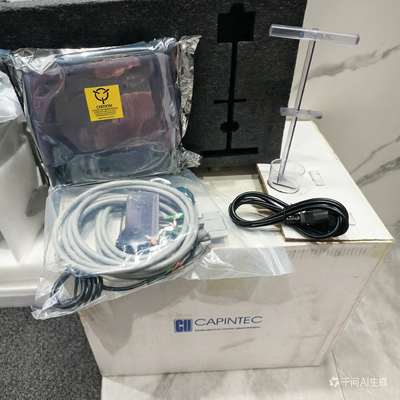
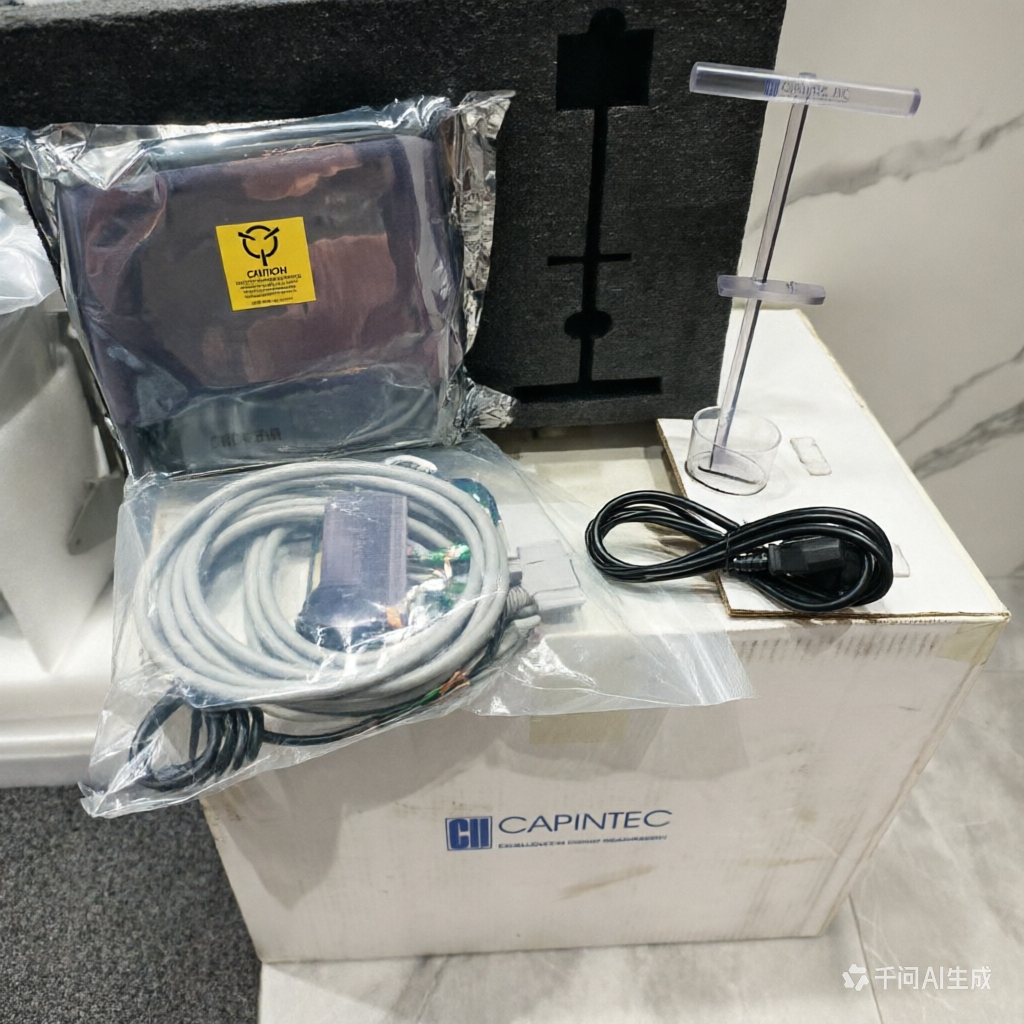
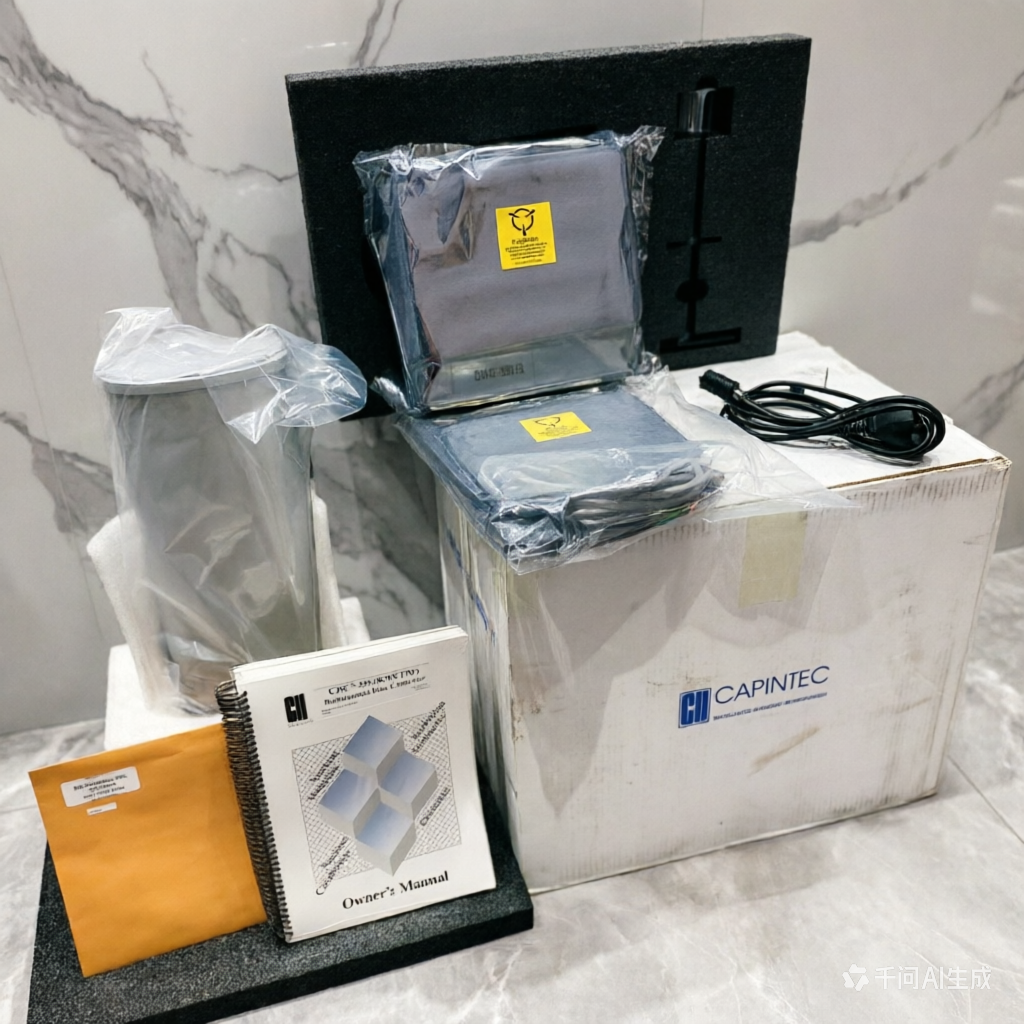
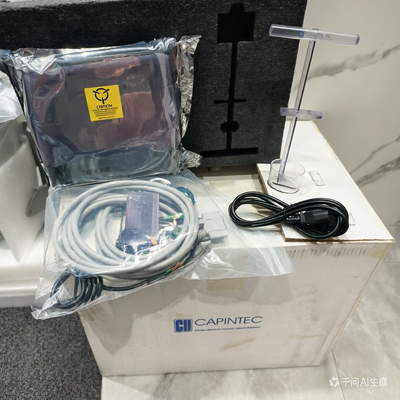
Thông tin chi tiết sản phẩm
| Nhiệt độ hoạt động | -20°C đến 50°C | Cân nặng | 9,8kg |
|---|---|---|---|
| Kích thước | 350*250*245(mm) | Phạm vi liều tích lũy | 0,1 μSv ~ 10 Sv |
| Thời gian đáp ứng | Dưới 3 giây | Phạm vi hoạt động | 0,1 mCi đến 2 Ci |
Mô tả sản phẩm
Bộ hiệu chuẩn liều đa hạt nhân cho quy trình làm việc pin nóng PET
Bảng giới thiệu sản phẩm
Bộ hiệu chuẩn liều đa hạt nhân được tối ưu hóa đặc biệt cho các trung tâm PET xử lý nhiều đồng vị phát ra positron.68 phút, Cu-64: 12,7 giờ, Zr-89: 3,3 ngày) và năng lượng phát xạ (quang xạ hủy diệt ở 511 keV là phổ biến cho tất cả, nhưng phát xạ gamma nhanh và tỷ lệ phân nhánh positron khác nhau).Các bộ hiệu chuẩn liều xử lý tất cả các đồng vị PET tương tự, dẫn đến sai số đo cho các đồng vị với các chương trình phân rã phức tạp.đạt được độ chính xác ± 3% cho tất cả các đồng vị PET phổ biếnCông cụ bao gồm điều chỉnh phân rã tự động cho mỗi đồng vị, đơn giản hóa việc chuẩn bị liều cho việc quản lý trì hoãn thời gian.
Phạm vi ứng dụng
Bộ hiệu chuẩn liều đa hạt nhân được thiết kế cho các phòng PET / CT, cơ sở cyclotron và các nhà thuốc phóng xạ sản xuất và phân phối nhiều chất đánh dấu PET.Các ứng dụng chính bao gồm đo F-18 FDG cho hình ảnh ung thư, định lượng Ga-68 DOTATATE cho hình ảnh khối u nội tiết thần kinh, xác minh các chất đánh dấu Cu-64 cho các nghiên cứu PET về chuyển hóa đồng, đo các chất đánh dấu immunoPET Zr-89 cho hình ảnh kháng thể,và định lượng Rb-82 cho PET tim (khi sử dụng với một máy phát Rb-82 chuyên dụng)Thiết bị hỗ trợ cả phép đo liều duy nhất cho liều lượng cụ thể của bệnh nhân và phép đo khối lượng để kiểm soát chất lượng của lọ dùng nhiều liều.
Hiệu suất và lợi ích
Bộ hiệu chuẩn liều đa hạt nhân đạt được độ chính xác ± 3% đối với tất cả các đồng vị PET phổ biến, tốt hơn đáng kể so với các bộ hiệu chuẩn.có thể tạo ra lỗi 10~20% cho Ga-68 và Cu-64 do các chương trình phân rã phức tạp của chúngĐộ chính xác được cải thiện thông qua các yếu tố hiệu chuẩn cụ thể của đồng vị, tính đến quang phổ phát xạ độc đáo của mỗi đồng vị.bộ hiệu chuẩn sử dụng một yếu tố hiệu chuẩn điều chỉnh tỷ lệ phân nhánh positron 89% của đồng vị và sự hiện diện của phát xạ gamma ngay lập tức ở 1077 keVĐối với Cu-64 (12,7 giờ), hiệu chuẩn điều chỉnh cho phân nhánh positron 19% của đồng vị, thu electron 40%,và sự phân rã beta trừ 41% một chương trình phân rã phức tạp gây nhầm lẫn cho các bộ hiệu chuẩnĐối với Zr-89 (3,3 ngày), hiệu chuẩn điều chỉnh cho phân nhánh positron 23% của đồng vị và sự hiện diện của gamma 909 keV.Các thiết bị bao gồm một tính năng chỉnh sửa phân rã tự động là thiết yếu cho quy trình làm việc PETNgười sử dụng nhập thời gian tiêm mong muốn, và bộ hiệu chuẩn tính toán hoạt động phải có mặt tại thời điểm đo để cung cấp liều được quy định khi tiêm.Đối với các đồng vị ngắn hạn như Ga-68 (kỷ phân hủy 68 phút), một vài phút sai trong đo hoặc thời gian tiêm có thể dẫn đến một sai số 5~10%, dụng cụ loại bỏ lỗi tính toán này.Thời gian phản ứng cho các đồng vị PET dưới 3 giây đối với liều bệnh nhân điển hình (5 ∼ 20 mCi), và chức năng tự động bao gồm các hoạt động từ 0,1 mCi đến 2 Ci.và thời gian còn lại cho đến khi liều giảm xuống dưới mức quy địnhThiết bị bao gồm một hệ thống ghi lại dữ liệu lưu trữ tối đa 500 phép đo với siêu dữ liệu hoàn chỉnh, và cổng USB hỗ trợ xuất sang phần mềm quản lý liều PET.Một máy in tùy chọn sản xuất nhãn cho các lọ thuốc hoặc ống tiêmĐối với các trung tâm PET, lợi ích chính của thiết kế đa hạt nhân là độ chính xác đo lường trên tất cả các đồng vị được sử dụng.nhu cầu hiệu chuẩn cụ thể của đồng vị trở nên quan trọng. Một trung tâm đo liều Ga-68 DOTATATE bằng nhân hiệu F-18 sẽ liên tục hạ liều bệnh nhân 1015% một lỗi quan trọng lâm sàng.Thiết bị này loại bỏ rủi ro này bằng cách cung cấp hiệu chuẩn chính xác cho mỗi đồng vịĐối với các trung tâm PET sản xuất nhiều chất đánh dấu,Bộ hiệu chuẩn liều đa hạt nhân là một công cụ thiết yếu để đảm bảo độ chính xác liều.
Sản phẩm khuyến cáo
