


Tất cả sản phẩm
-
Bảo vệ phóng xạ hạt nhân
-
Máy dò bức xạ hạt nhân
-
Lá đồng che chắn
-
Cửa được bảo vệ RF
-
Windows được che chắn RF
-
Kính chì bảo vệ bức xạ
-
Bộ công cụ không từ tính
-
Buồng được che chắn RF
-
Lỗ thông hơi ống dẫn sóng tổ ong
-
Băng dính đồng dẫn điện
-
Lưới dây đồng
-
Kính chì tia X
-
Miếng đệm che chắn EMI
-
Vải dẫn điện
-
Cửa bảo vệ bức xạ
-
Bảo vệ bức xạ X Ray
-
Chụp cộng hưởng từ lồng Faraday
-
len dây đồng
-
Đèn LED chiếu sáng MRI
-
Xe lăn không từ tính
-
cáng không từ tính
-
 AnasLỗ thông hơi dạng tổ ong bằng đồng trông rất đẹp
 -
 SatheeshCửa MRI / RF được chiếu sáng với tay cầm, Cảm ơn bạn của tôi.
Bộ hiệu chuẩn liều tất cả trong một cho hoạt động tế bào nóng y học hạt nhân
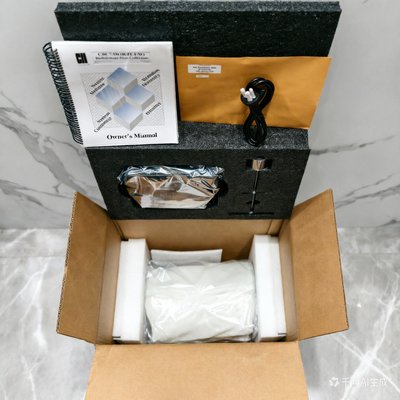
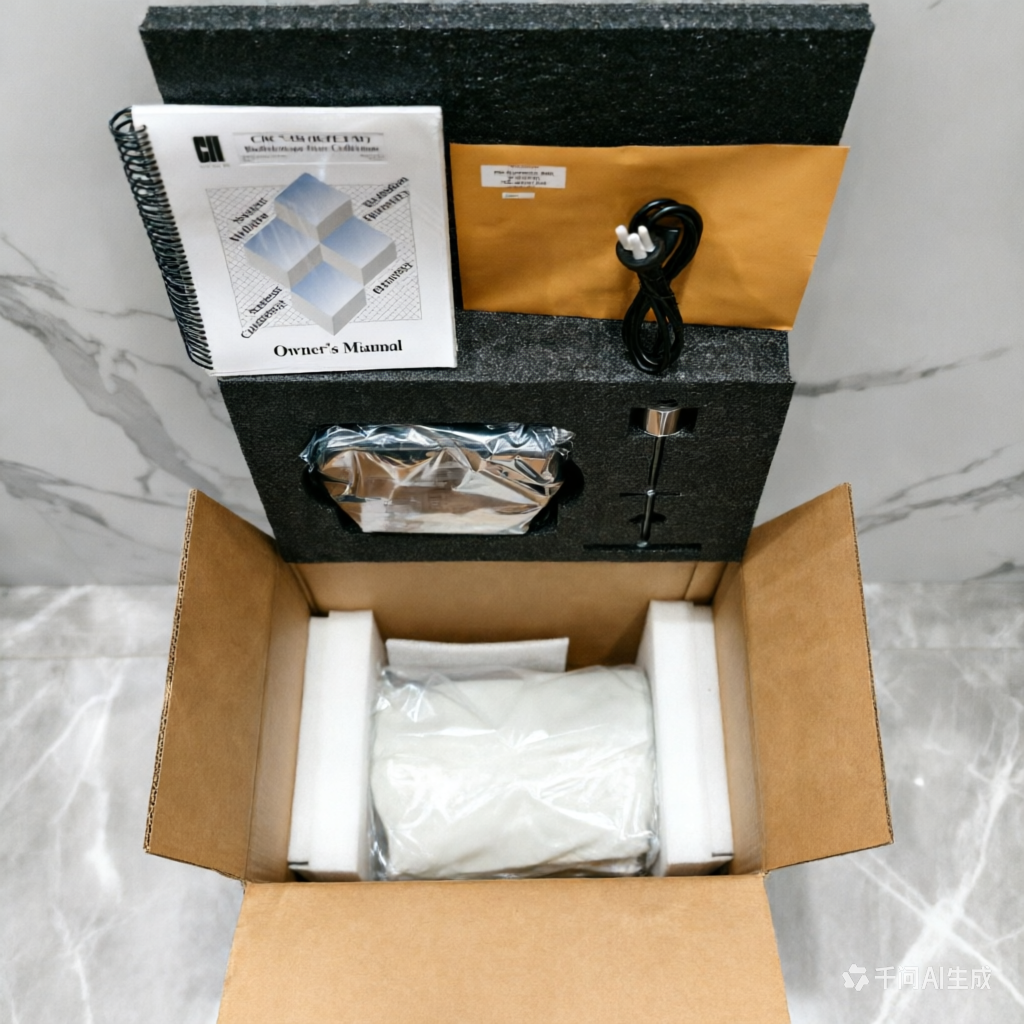
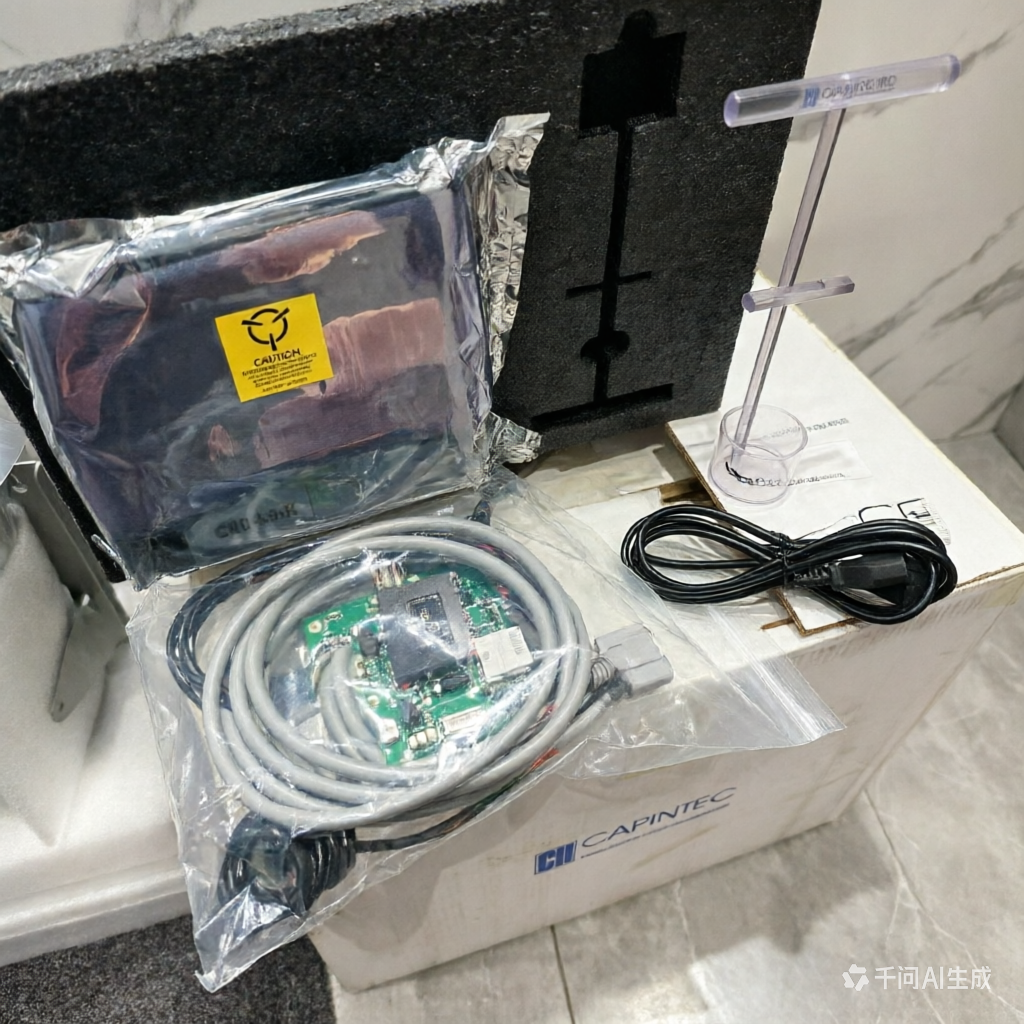
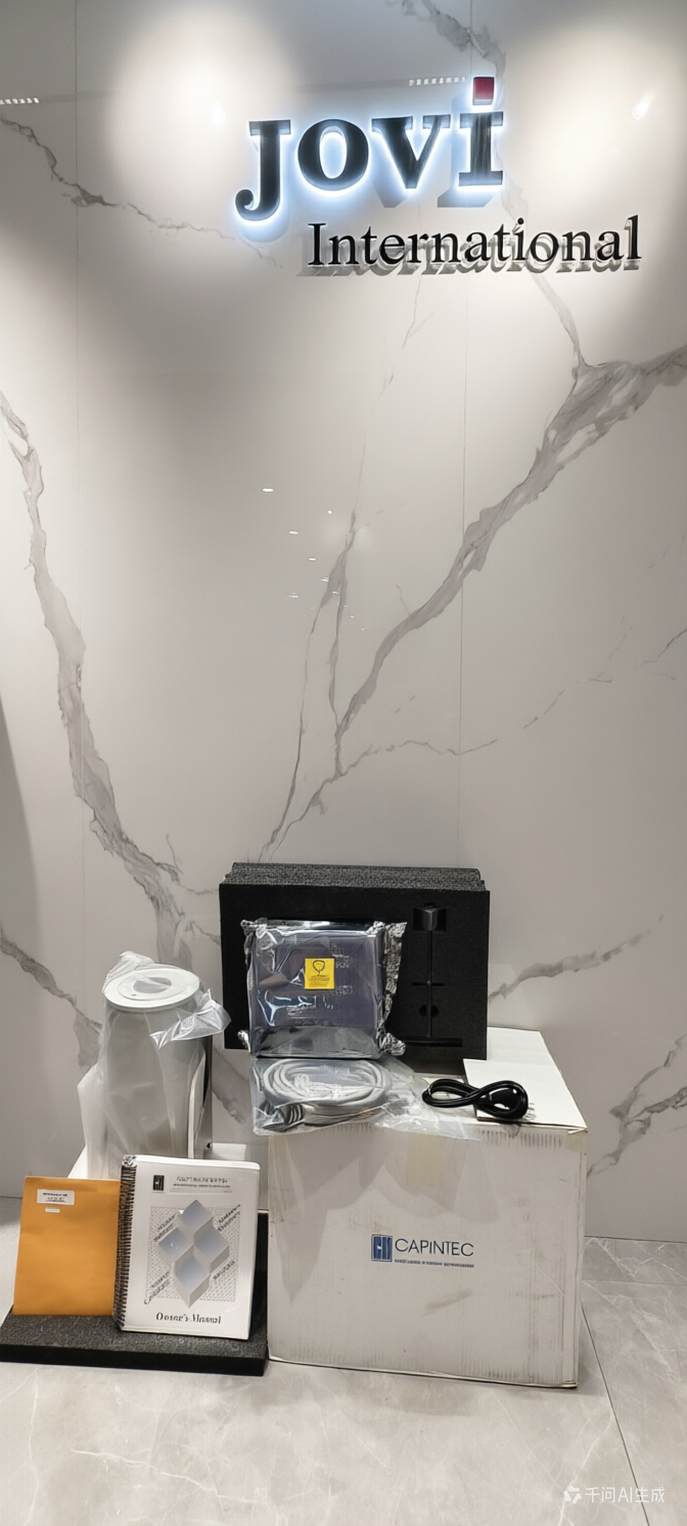
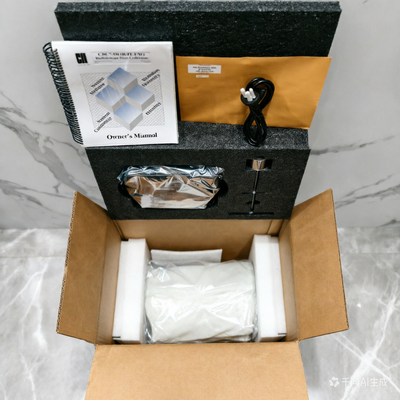
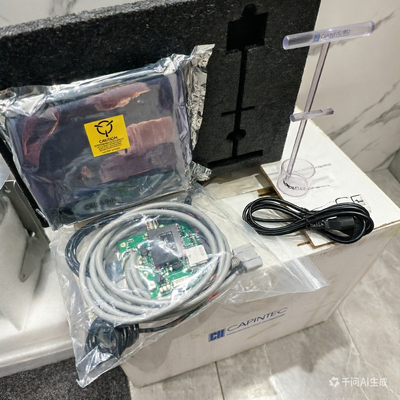
Thông tin chi tiết sản phẩm
| Vật liệu | Vỏ nhựa ABS bền bỉ | Nhiệt độ hoạt động | -20°C đến 50°C |
|---|---|---|---|
| phản ứng năng lượng | 50Kev~5Mev | Loại tia | α +β / α / β |
| Phạm vi liều tích lũy | 0,1 μSv ~ 10 Sv | Phạm vi đo | suất liều neutron: 0,1μSv/h~100mSv/h |
Mô tả sản phẩm
Bộ hiệu chuẩn liều tất cả trong một cho hoạt động tế bào nóng y học hạt nhân
Giới thiệu sản phẩm
Giới thiệu sản phẩm
Bộ hiệu chuẩn liều tất cả trong một được thiết kế để trở thành dụng cụ đo liều duy nhất mà tế bào nóng y học hạt nhân cần. Hầu hết các khoa đều duy trì nhiều dụng cụ: một dành cho liều trị liệu có hoạt tính cao, một dành cho mẫu QC hoạt độ thấp, một dành cho ống tiêm, một dành cho lọ và các thiết bị riêng biệt để điều chỉnh tình trạng sâu răng, ghi dữ liệu và xuất ra máy in. Công cụ này kết hợp tất cả các khả năng này thành một hệ thống tích hợp duy nhất. Phạm vi đo rộng (0,01 μCi đến 10 Ci) bao gồm mọi thứ từ đặc tính chất thải đến liều lượng điều trị. Buồng đa hình học (lọ, ống tiêm, viên nang, viên thuốc và dải sắc ký) xử lý tất cả các loại mẫu. Tính năng sửa lỗi phân rã, ghi dữ liệu, máy in và xuất USB tích hợp cung cấp tài liệu đầy đủ. Kết quả là một thiết bị duy nhất có thể thay thế năm hoặc sáu thiết bị riêng biệt, tiết kiệm không gian, giảm yêu cầu đào tạo và đơn giản hóa việc bảo trì.
Phạm vi ứng dụng
Phạm vi ứng dụng
Bộ hiệu chuẩn liều tất cả trong một được thiết kế cho bất kỳ khoa y học hạt nhân nào muốn đơn giản hóa thiết bị đo tế bào nóng. Các ứng dụng chính bao gồm tất cả các nhiệm vụ chuẩn bị liều thông thường (rửa rửa máy phát, phân phối liều cho bệnh nhân, chuẩn bị liều điều trị), tất cả các nhiệm vụ kiểm soát chất lượng (kiểm tra hằng số, kiểm tra độ tuyến tính, đo đột phá, độ tinh khiết hóa học phóng xạ), tất cả các phép đo hoạt độ thấp (đặc tính chất thải, kiểm tra lau, hoạt động còn lại) và tất cả các nhiệm vụ tài liệu (ghi dữ liệu, in, xuất). Công cụ này phù hợp như nhau cho các phòng ban nhỏ (nơi một công cụ duy nhất giúp giảm chi phí vốn) và cho các phòng ban lớn (nơi một công cụ được tiêu chuẩn hóa giúp đơn giản hóa việc đào tạo và bảo trì).
Hiệu suất và lợi ích
Hiệu suất và lợi ích
Bộ hiệu chuẩn liều tất cả trong một kết hợp khả năng của nhiều thiết bị chuyên dụng vào một hệ thống tích hợp duy nhất. Phạm vi đo bao gồm từ 0,01 μCi đến 10 Ci với độ chính xác ±5% trên toàn phạm vi - kết hợp độ nhạy của máy đếm hoạt động thấp với công suất của bộ hiệu chuẩn liều điều trị. Buồng đa hình học chứa các lọ (10-30 mL), ống tiêm (1-10 mL), viên nang (cỡ 000-1), viên thuốc và dải sắc ký, với các hệ số hiệu chuẩn hình học cụ thể được lưu trữ cho từng loại. Buồng ion hóa sử dụng thiết kế hai buồng: buồng bên trong nhỏ, có độ nhạy cao dành cho các mẫu có hoạt độ thấp và buồng bên ngoài lớn dành cho các mẫu có hoạt độ cao, có khả năng tự động chuyển đổi giữa các buồng. Thiết bị này bao gồm một bộ phần mềm toàn diện hỗ trợ tất cả các nhiệm vụ đo lường y học hạt nhân. Các mô-đun phần mềm bao gồm: Chuẩn bị liều lượng (liều lượng dành riêng cho bệnh nhân với hiệu chỉnh sâu răng), QC máy phát điện (đột phá, nhôm, theo dõi năng suất), Định lượng trị liệu (đo hoạt tính cao với hiệu chỉnh sâu răng), Kiểm soát chất lượng (không đổi, tuyến tính, kiểm tra hình học), Hoạt động thấp (đặc tính chất thải, kiểm tra lau, hoạt động còn lại) và Tài liệu (ghi dữ liệu, in, xuất). Người dùng chọn mô-đun mong muốn từ menu màn hình cảm ứng và thiết bị sẽ tự cấu hình cho ứng dụng đó - đặt phạm vi đo thích hợp, chọn hệ số hiệu chuẩn chính xác và hiển thị lời nhắc dành riêng cho ứng dụng. Phần mềm bao gồm giao diện máy quét mã vạch, cho phép người dùng quét ID bệnh nhân, số lô máy phát điện và nhãn lọ để nhập dữ liệu tự động. Hệ thống ghi dữ liệu lưu trữ tới 5.000 phép đo trong cơ sở dữ liệu có thể tìm kiếm, có thể xuất sang hệ thống thông tin phòng thí nghiệm qua USB, WiFi hoặc Ethernet. Máy in nhiệt tích hợp tạo nhãn hoặc hồ sơ giấy cho tất cả các phép đo. Bộ hiển thị từ xa có màn hình cảm ứng màu 10 inch với giá đỡ có thể điều chỉnh, cho phép định vị để có công thái học tối ưu. Bộ phát hiện cài đặt bên trong tế bào nóng và kết nối với màn hình thông qua cáp được bảo vệ (hoặc tùy chọn qua Bluetooth để cài đặt không dây). Đối với các khoa y học hạt nhân, lợi ích chính của thiết kế Tất cả trong một là sự đơn giản. Nhân viên chỉ cần học một nhạc cụ, không phải năm hay sáu nhạc cụ. Bảo trì liên quan đến một thiết bị chứ không phải một nhóm. Hàng tồn kho phụ tùng được giảm xuống còn một bộ. Một thiết bị duy nhất chiếm ít không gian bên trong và bên ngoài buồng nóng. Tài liệu tích hợp đảm bảo rằng tất cả các phép đo được ghi lại tự động, loại bỏ các "kho dữ liệu" xảy ra khi các thiết bị riêng biệt có hệ thống ghi dữ liệu riêng biệt. Mặc dù giá mua ban đầu cao hơn so với thiết bị hiệu chuẩn liều cơ bản nhưng thiết bị Tất cả trong Một thường có giá thấp hơn tổng giá trị của các thiết bị riêng biệt mà nó thay thế và khoản tiết kiệm vận hành trong đào tạo, bảo trì và lập tài liệu nhanh chóng bù đắp sự khác biệt. Đối với các bộ phận đang tìm cách hiện đại hóa hoạt động của tế bào nóng, Bộ hiệu chuẩn liều tất cả trong một cung cấp một giải pháp toàn diện.
Sản phẩm khuyến cáo
