


Tất cả sản phẩm
-
Bảo vệ phóng xạ hạt nhân
-
Máy dò bức xạ hạt nhân
-
Lá đồng che chắn
-
Cửa được bảo vệ RF
-
Windows được che chắn RF
-
Kính chì bảo vệ bức xạ
-
Bộ công cụ không từ tính
-
Buồng được che chắn RF
-
Lỗ thông hơi ống dẫn sóng tổ ong
-
Băng dính đồng dẫn điện
-
Lưới dây đồng
-
Kính chì tia X
-
Miếng đệm che chắn EMI
-
Vải dẫn điện
-
Cửa bảo vệ bức xạ
-
Bảo vệ bức xạ X Ray
-
Chụp cộng hưởng từ lồng Faraday
-
len dây đồng
-
Đèn LED chiếu sáng MRI
-
Xe lăn không từ tính
-
cáng không từ tính
-
 AnasLỗ thông hơi dạng tổ ong bằng đồng trông rất đẹp
 -
 SatheeshCửa MRI / RF được chiếu sáng với tay cầm, Cảm ơn bạn của tôi.
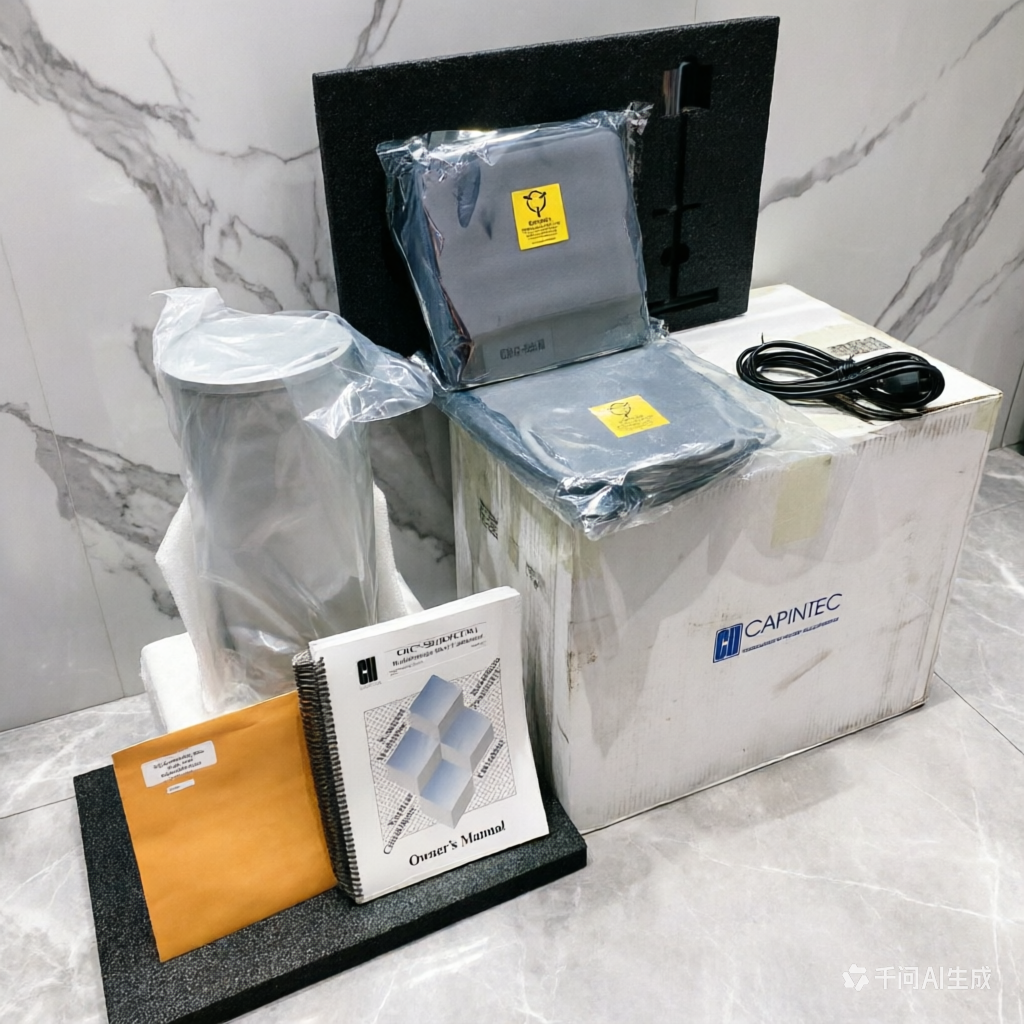
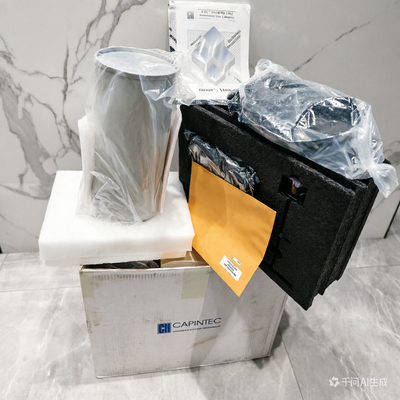
Bộ hiệu chuẩn liều với tính năng trừ nền tự động để đảm bảo độ chính xác của tế bào nóng
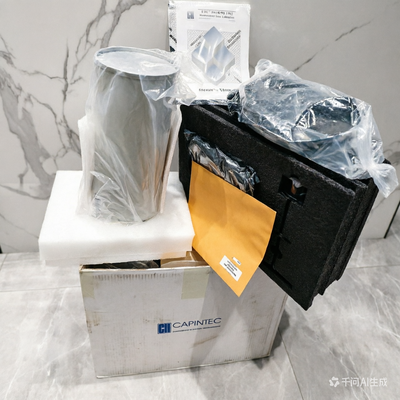
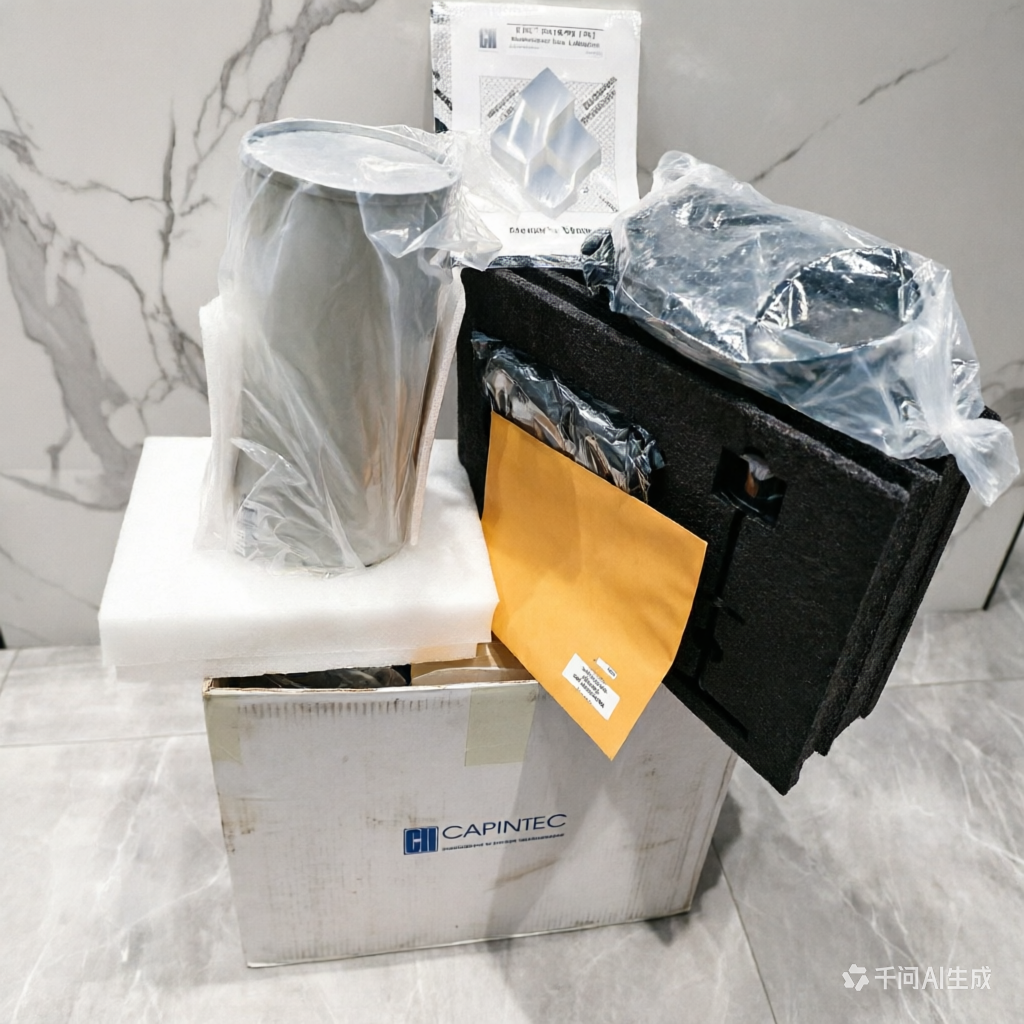
Thông tin chi tiết sản phẩm
| Đo tia | Tia α, β, γ và tia Χ | Phạm vi kiểm tra | ≥5Ci |
|---|---|---|---|
| Nhiệt độ hoạt động | -20°C đến 50°C | Vật liệu | Vỏ nhựa ABS |
| Lưu trữ dữ liệu | Lên tới 1000 bài đọc | Phạm vi liều tích lũy | 0,1 μSv ~ 10 Sv |
Mô tả sản phẩm
Bộ hiệu chuẩn liều với tính năng trừ nền tự động để đảm bảo độ chính xác của tế bào nóng
Giới thiệu sản phẩm
Bộ hiệu chuẩn liều với phép trừ nền tự động giải quyết thách thức cơ bản trong đo liều tế bào nóng: bức xạ nền từ các vật liệu phóng xạ khác trong cùng tế bào. Một tế bào nóng y học hạt nhân điển hình có thể chứa đồng thời nhiều nguồn hoạt tính cao - máy tạo Tc-99m, một số liều bệnh nhân đang chờ dùng, một lọ liều điều trị Lu-177 và thùng chứa chất thải. Bức xạ kết hợp từ các nguồn này tạo ra trường nền có thể đạt 100 μR/giờ trở lên, đủ để gây ra sai số đo 10-20% đối với các mẫu có hoạt độ thấp (dưới 1 mCi) và sai số có thể đo được ngay cả đối với liều bệnh nhân thông thường. Bộ hiệu chuẩn liều tiêu chuẩn cung cấp chức năng trừ nền thủ công nhưng nó yêu cầu người dùng loại bỏ tất cả các nguồn khác khỏi tế bào nóng trước khi đo nền — một quy trình tốn thời gian và không thực tế trong một bộ phận bận rộn. Công cụ này tự động trừ nền. Máy dò kết hợp với buồng ion hóa thứ hai được che chắn để liên tục theo dõi bức xạ nền. Thiết bị sẽ tự động trừ số đọc nền theo thời gian thực khỏi tất cả các phép đo mẫu, đảm bảo số đọc chính xác bất kể có gì khác trong tế bào nóng.
Phạm vi ứng dụng
Bộ hiệu chuẩn liều trừ nền tự động được thiết kế cho các khoa y học hạt nhân nơi có nhiều nguồn phóng xạ đồng thời có mặt trong tế bào nóng - hầu như tất cả các khoa đều bận rộn. Các ứng dụng chính bao gồm đo các mẫu có hoạt độ thấp (dưới 1 mCi) chẳng hạn như hoạt độ còn lại trong lọ rỗng để xác định đặc tính chất thải, lau mẫu thử để theo dõi ô nhiễm, mẫu kiểm soát chất lượng hoạt độ thấp và quy trình chẩn đoán trẻ em hoặc liều thấp. Thiết bị này cũng có giá trị như nhau đối với việc đo liều bệnh nhân thông thường (điển hình là 5-30 mCi) trong tế bào nóng cũng chứa nguồn hoạt tính cao (nhiều loại chất rửa giải hoặc liều điều trị), trong đó nền có thể gây ra sai số có thể đo được ngay cả ở các mức hoạt động này. Thiết bị này đặc biệt quan trọng đối với các trung tâm trị liệu nơi liều trị liệu hoạt tính cao (100-200 mCi Lu-177) được chuẩn bị cùng với liều chẩn đoán (5-10 mCi) trong cùng một tế bào nóng - nguồn hoạt động cao có thể tạo ra nền ảnh hưởng đáng kể đến việc đo liều chẩn đoán.
Hiệu suất và lợi ích
Bộ hiệu chuẩn liều trừ nền tự động sử dụng thiết kế máy dò buồng kép. cácbuồng sơ cấplà buồng ion hóa tiêu chuẩn được sử dụng để đo mẫu. cácbuồng tham khảolà buồng ion hóa thứ hai giống hệt, được che chắn hoàn toàn bằng chì 10 mm, ngăn chặn mọi bức xạ từ các nguồn bên ngoài. Buồng tham chiếu chỉ đo tiếng ồn điện tử của thiết bị và bất kỳ bức xạ nền nào xuyên qua tấm chắn (không đáng kể). Bằng cách so sánh các tín hiệu từ hai buồng, thiết bị có thể phân biệt giữa tín hiệu mẫu thực và bức xạ nền bên ngoài. Việc trừ nền diễn ra liên tục và tự động: thiết bị lấy mẫu buồng tham chiếu cứ sau 100 mili giây, tính toán mức nền hiện tại và trừ giá trị đó khỏi tín hiệu của buồng chính trong thời gian thực. Người dùng không cần thực hiện bất kỳ quy trình đo nền nào — thiết bị sẽ tự động xử lý việc đó. Đối với các phép đo hoạt động thấp, thiết bị cũng cung cấp chế độ "trừ nền có độ chính xác cao". Ở chế độ này, thiết bị sẽ đo buồng tham chiếu trong thời gian dài (tối đa 60 giây) để đạt được ước tính rất chính xác về nền, sau đó trừ giá trị chính xác này khỏi phép đo mẫu. Chế độ này làm giảm độ không đảm bảo đo đối với các hoạt động rất thấp (dưới 0,1 mCi) theo hệ số 5-10 so với phép trừ nền tiêu chuẩn. Hiệu quả của việc trừ nền tự động rất ấn tượng. Trong một tế bào nóng có 5 Cur nguyên liệu Tc-99m (nền điển hình ở vị trí đo: 50 μR/giờ), bộ hiệu chuẩn liều tiêu chuẩn đo mẫu 0,5 mCi sẽ hiển thị số đọc 0,55-0,60 mCi - sai số 10-20%. Phép đo tương tự với tính năng trừ nền tự động cho thấy 0,49-0,51 mCi — trong phạm vi ±2% giá trị thực. Đối với liều bệnh nhân thông thường là 20 mCi, sai số nền sẽ là 0,2-0,4 mCi (1-2%) — nhỏ nhưng có khả năng quan trọng đối với các ứng dụng có độ chính xác cao hoặc đối với các liều gần giới hạn quy định. Màn hình của thiết bị bao gồm chỉ báo nền hiển thị mức nền hiện tại tính bằng μR/hr. Tính năng này giúp người dùng đánh giá xem nền có cao bất thường hay không (cho biết có thể xảy ra sự cố tràn hoặc nhiễm bẩn) và quyết định xem có nên sử dụng chế độ có độ chính xác cao hay không. Thiết bị cũng bao gồm cảnh báo nền: nếu nền vượt quá ngưỡng do người dùng đặt (thường là 100 μR/giờ), thiết bị sẽ cảnh báo người dùng, gợi ý rằng tế bào nóng có thể bị ô nhiễm hoặc nguồn hoạt động cao ở quá gần máy dò. Tính năng trừ nền tự động hoạt động đối với tất cả các đồng vị và hình học mà không cần người dùng điều chỉnh. Thông số độ chính xác của thiết bị (±5% đối với hoạt động trên 1 mCi, ±10% đối với hoạt động 0,1-1 mCi) giả định việc sử dụng phép trừ nền tự động. Đối với các hoạt động dưới 0,1 mCi, chế độ có độ chính xác cao sẽ mở rộng độ chính xác lên ±15% — đủ để xác định đặc tính chất thải và giám sát ô nhiễm. Thiết bị này bao gồm tất cả các tính năng của bộ hiệu chuẩn liều tiêu chuẩn: thư viện nuclide gồm hơn 25 đồng vị, lựa chọn hình dạng lọ/ống tiêm/viên nang, phạm vi tự động từ 0,01 μCi đến 10 Ci, ghi dữ liệu cho hơn 5.000 phép đo, xuất USB và máy in tùy chọn. Đầu dò buồng kép được lắp đặt bên trong tế bào nóng giống như đầu dò tiêu chuẩn, có cùng kích thước (đường kính 60 mm, cao 100 mm) nên phù hợp với các cổng tế bào nóng tiêu chuẩn. Đối với các khoa y học hạt nhân, lợi ích chính của việc trừ nền tự động là đo lường chính xác trong điều kiện tế bào nóng trong thế giới thực. Về lý thuyết, người ta nên loại bỏ tất cả các nguồn khác khỏi tế bào nóng trước khi đo mẫu - nhưng trên thực tế, điều này hiếm khi được thực hiện vì nó làm gián đoạn quy trình làm việc và tăng mức độ phơi nhiễm. Tính năng trừ nền tự động cho phép đo chính xác mà không làm gián đoạn quy trình làm việc. Thiết bị cũng giảm các lỗi đo lường có thể ảnh hưởng đến sự an toàn của bệnh nhân (lỗi định lượng do nhiễu nền) và tuân thủ quy định (xác định đặc tính chất thải không chính xác dẫn đến thải bỏ không đúng cách). Đối với các khoa thực hiện các phép đo hoạt độ thấp (liều dùng cho trẻ em, đặc tính chất thải, giám sát ô nhiễm), việc trừ nền tự động là cần thiết để thu được kết quả đáng tin cậy. Bộ hiệu chuẩn liều với tính năng trừ nền tự động cung cấp các phép đo chính xác bất kể có gì khác trong tế bào nóng — một giải pháp thiết thực cho khoa y học hạt nhân trong thế giới thực.
Sản phẩm khuyến cáo
